Company\Resources\Ask the Experts: What Is the Body Composed Of and How Do You Measure the Compartments?
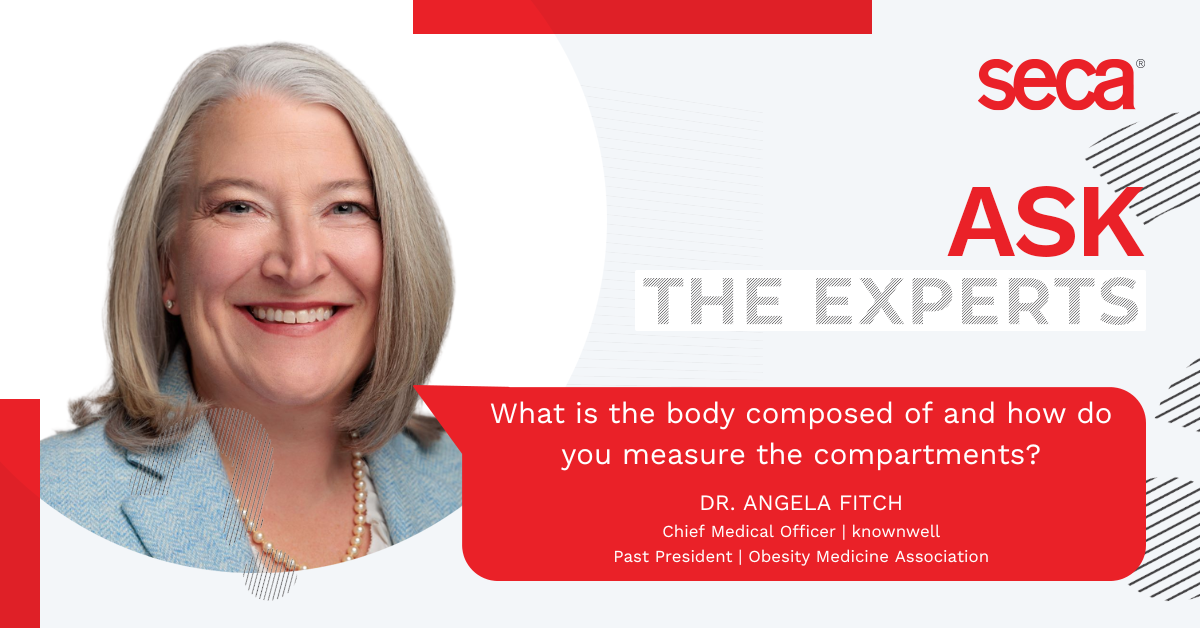
Ask the Experts: What Is the Body Composed Of and How Do You Measure the Compartments?
In The Know with Nina
The human body is composed of various components, including fat mass and fat-free mass. Fat mass refers to all the fat tissues in the body, while fat-free mass includes bones, muscles, organs, and all other non-fat tissues. Total body water, a significant part of fat-free mass, is crucial for various physiological functions. Accurate measurement of these components allows for a better understanding of a person's body composition, which is vital for managing obesity and related health conditions.
There are several methods to measure these compartments, each with its advantages and limitations. Techniques such as Dual-Energy X-ray Absorptiometry (DEXA) scans, Bioelectrical Impedance Analysis (BIA), and Magnetic Resonance Imaging (MRI) offer detailed insights into body composition.
The Obesity Medicine Association has a great resource that describes each of methods in Table 3 of the Obesity history, physical exam, laboratory, body composition, and energy expenditure: An Obesity Medicine Association (OMA) Clinical Practice Statement (CPS) 2022.
The focus in obesity management should be on optimizing metabolic health and making sustainable lifestyle improvements rather than fixating on specific numbers. Progress over time, improved body composition, and overall health benefits are the primary goals. This approach encourages a holistic view of health, emphasizing the importance of balanced nutrition, regular physical activity, and psychological well-being. By prioritizing these aspects, healthcare providers can help patients achieve lasting health improvements and better manage obesity and its associated risks.
The human body is composed of various compartments, including fat mass and fat-free mass, which need to be accurately measured for a comprehensive understanding of health. Methods like DEXA scans, BIA, and MRI offer detailed insights into body composition, going beyond BMI to provide a clearer picture of an individual’s health status. Ultimately, the focus should be on optimizing metabolic health and promoting sustainable lifestyle changes to achieve lasting health benefits.