Company\Resources\Insights from the ADA’s 84th Scientific Sessions: Embracing Body Composition in Diabetes and Obesity Care
Insights from the ADA’s 84th Scientific Sessions: Embracing Body Composition in Diabetes and Obesity Care

Blog
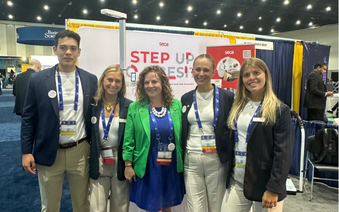
We hope you enjoyed your time at the American Diabetes Association’s 84th Scientific Sessions in Orlando! Thank you for stopping by to see us and taking some time to learn about our body composition analysis solutions. We learned so much from our conversations with you!
It was an incredibly insightful event, and we were thrilled to witness the integration of diabetes and obesity care into a unified approach for enhancing patient well-being. While GLP-1 receptor agonists have been available in diabetes care for some time, with 2nd and 3rd generation medications showing significant weight loss, we are seeing the need now more than ever to monitor body composition!
We were encouraged to see ADA speakers moving away from using weight or BMI only and including body composition analysis in their studies and practices. Relying more on body composition outcomes helps to personalize care and motivate patients to continue managing their chronic health conditions.
We were happy to have Dr. Nina Crowley attend the show along with our Sales, Marketing, and Product Management teams. They shared some fascinating takeaways that we think you'll find valuable. Check out some of their highlights below!
Practical Applications from ADA Sessions
Optimizing GLIP-1/GIP Receptor Agonists for Patient Success
Dr. Crowley highlighted the symposium by dietitians Maureen Chomko and Colleen Dawkins on Optimizing Outcomes of GLIP-1/GIP Receptor Agonists. The focus was on evidence-based practices to help patients stay on medications, manage costs and side effects, and ensure patient satisfaction. Key points included:
Navigating discontinuation rates, helping with access to care, and improving patient satisfaction.
Preparing patients for medications, managing adverse effects, and ongoing monitoring through body composition, labs, mental health, food/activity logs, and avoiding a weight-only focus and reflecting on health goals.
Additional insight on the role of the RD can be found in the Academy of Nutrition and Dietetics' New Report "The Evolving Role of RDNs in Obesity Management with Medications and Lifestyle Interventions" and 3 Webinars.
Implementing Evidence into Clinical Practice
Dr. Beverly Tchang's talk on Fine Tuning the Patient's GLP-1 Experience emphasized using patient-first language and discussing the 4Cs: Contraindications, Comorbidities, Cost, and Choice. The discussion revolved around appetite cues, meal timing, and hydration, underscoring the role of nutrition in the care of patients on these medications. This further supports the need for a comprehensive care team to manage patients on obesity medications and underlies the need for research on side effects of medications and the patient's experience.
We are grateful for the opportunity to connect with so many dedicated professionals at the ADA’s 84th Scientific Sessions. Your enthusiasm and commitment to improving patient care inspire us. As we continue to explore the intersection of diabetes and obesity care, we look forward to collaborating with you to advance the use of body composition analysis in clinical practice. Keep an eye out for our upcoming blog post with a detailed recap of the event, and don’t miss our gallery of moments captured during the sessions. Until next time, let’s keep pushing the boundaries of patient care together!